Results
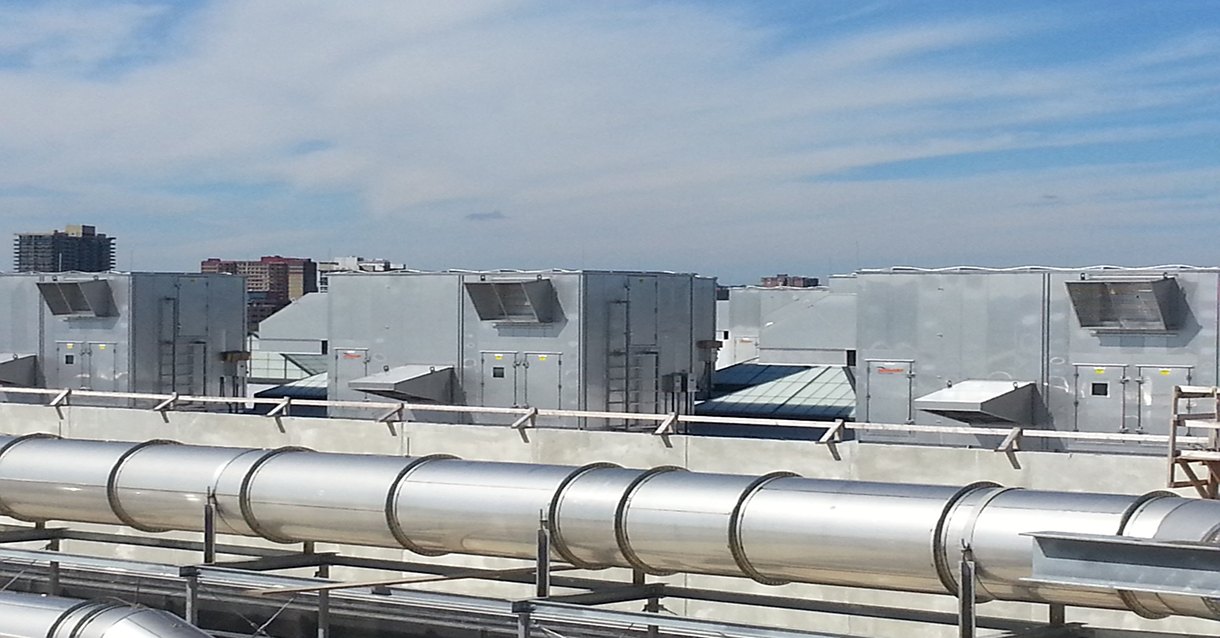
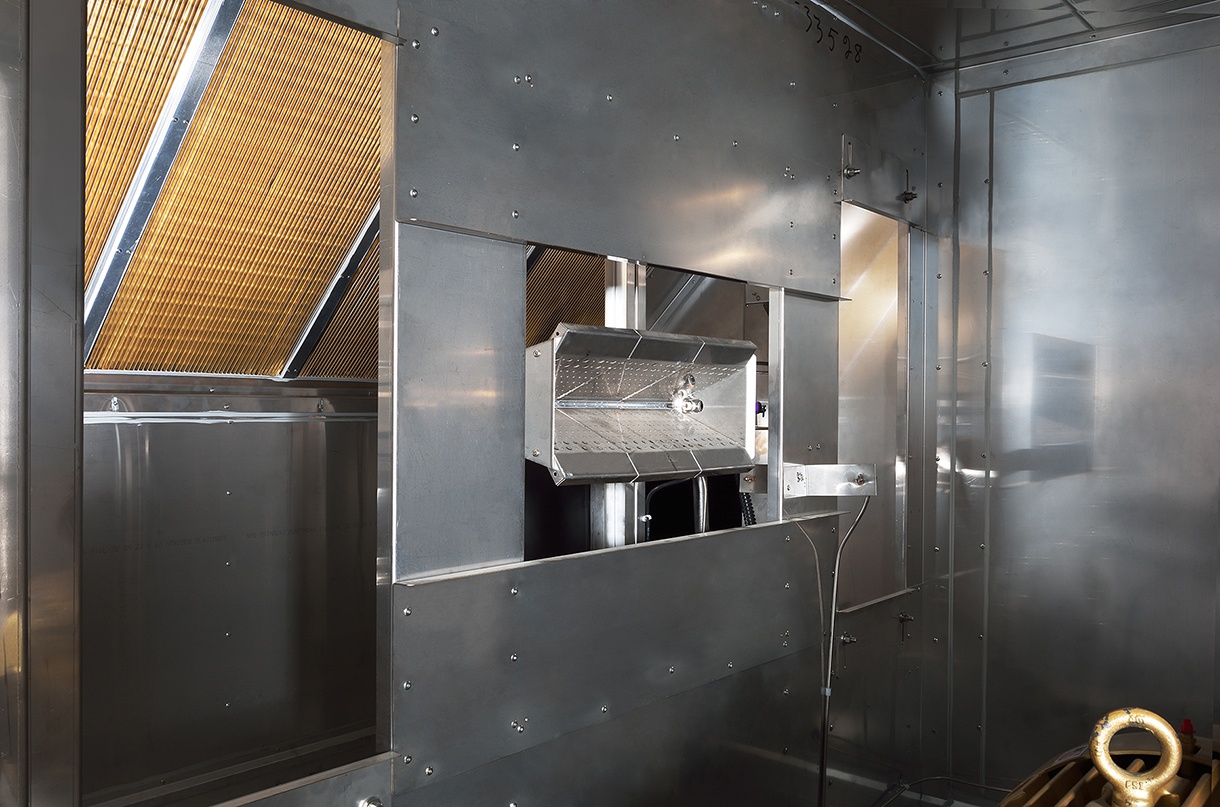
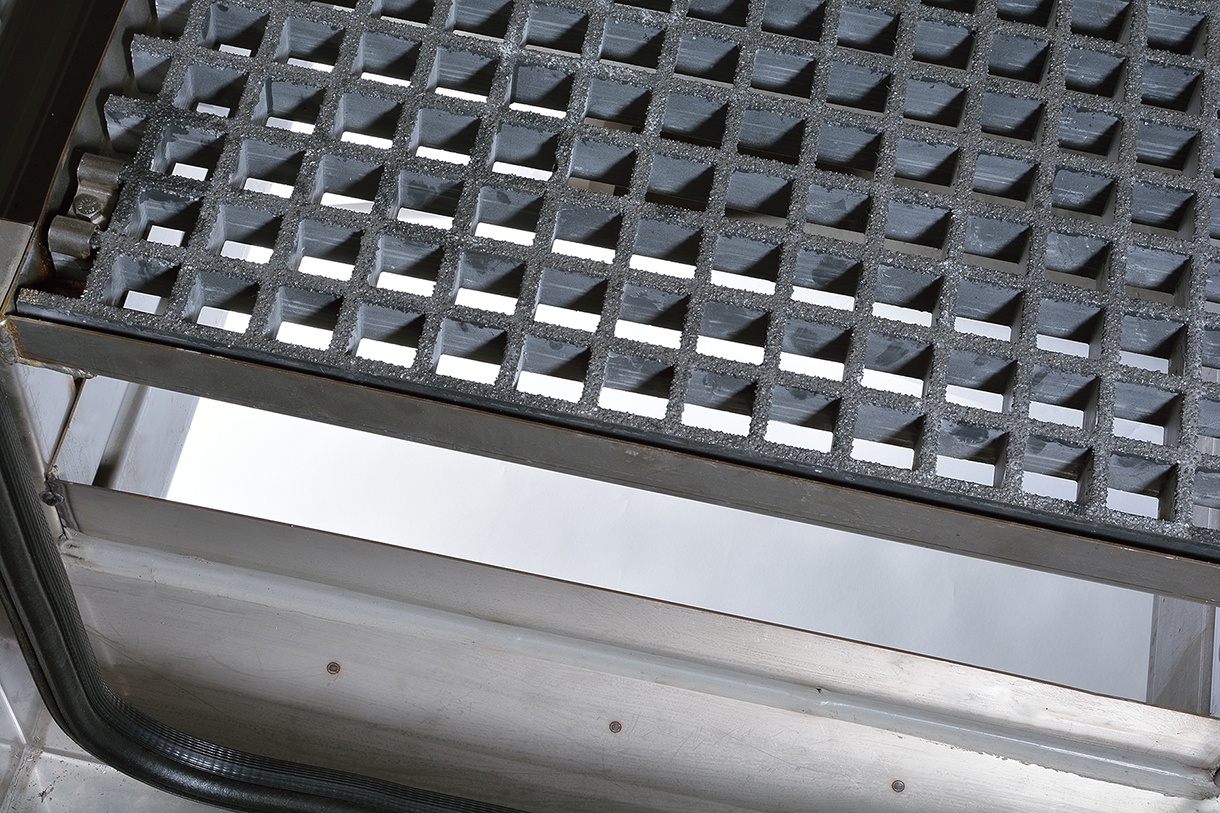
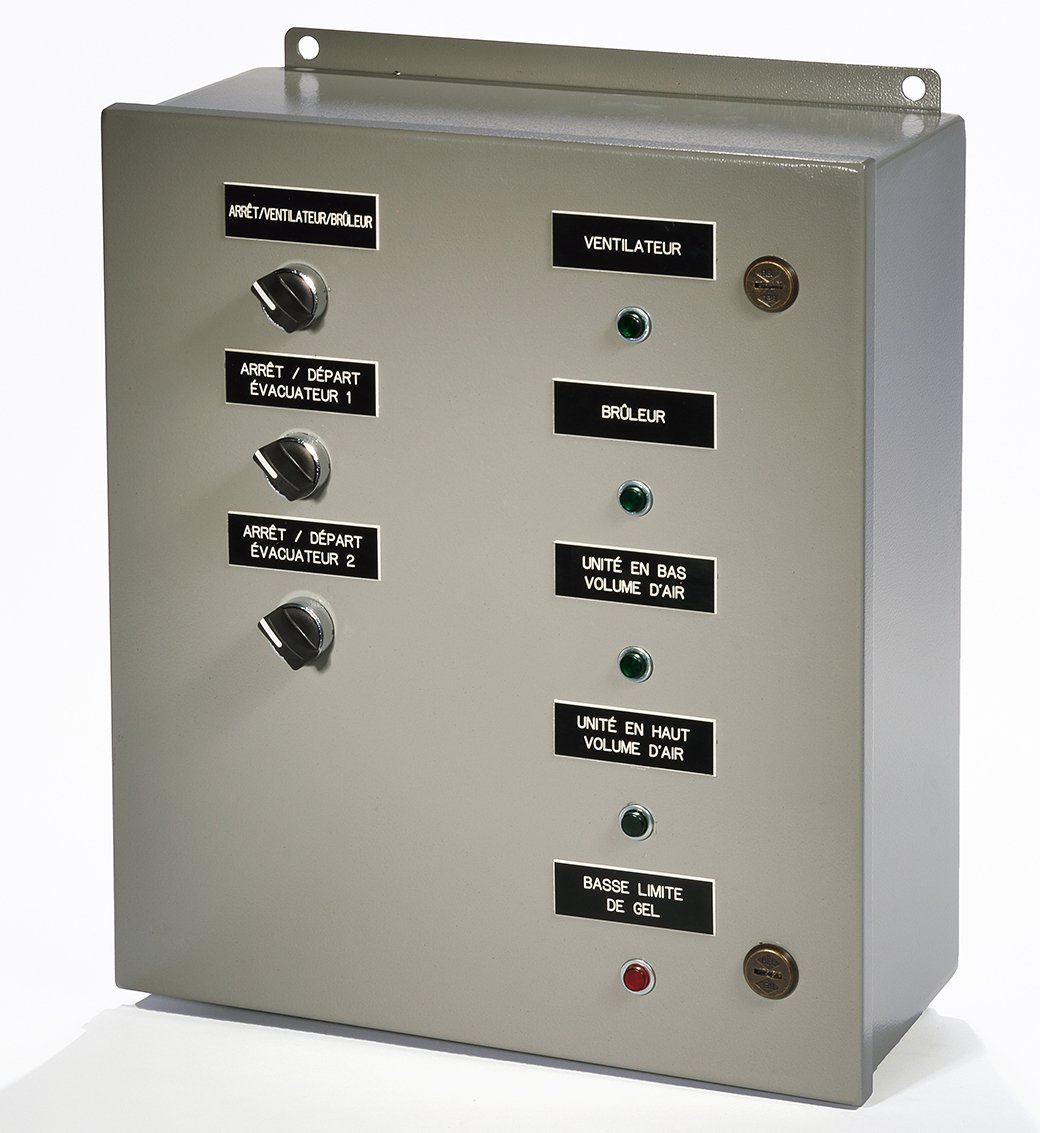
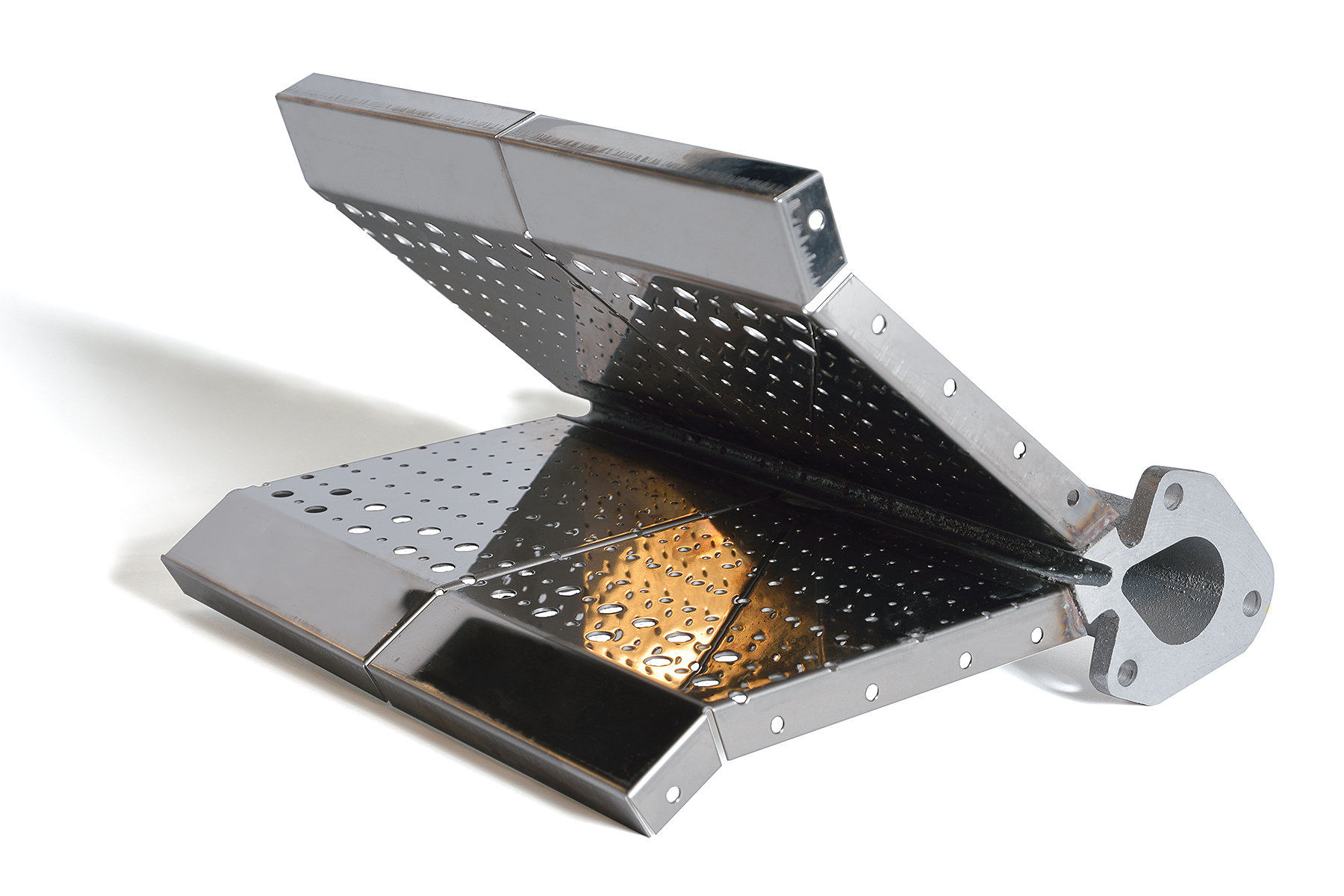
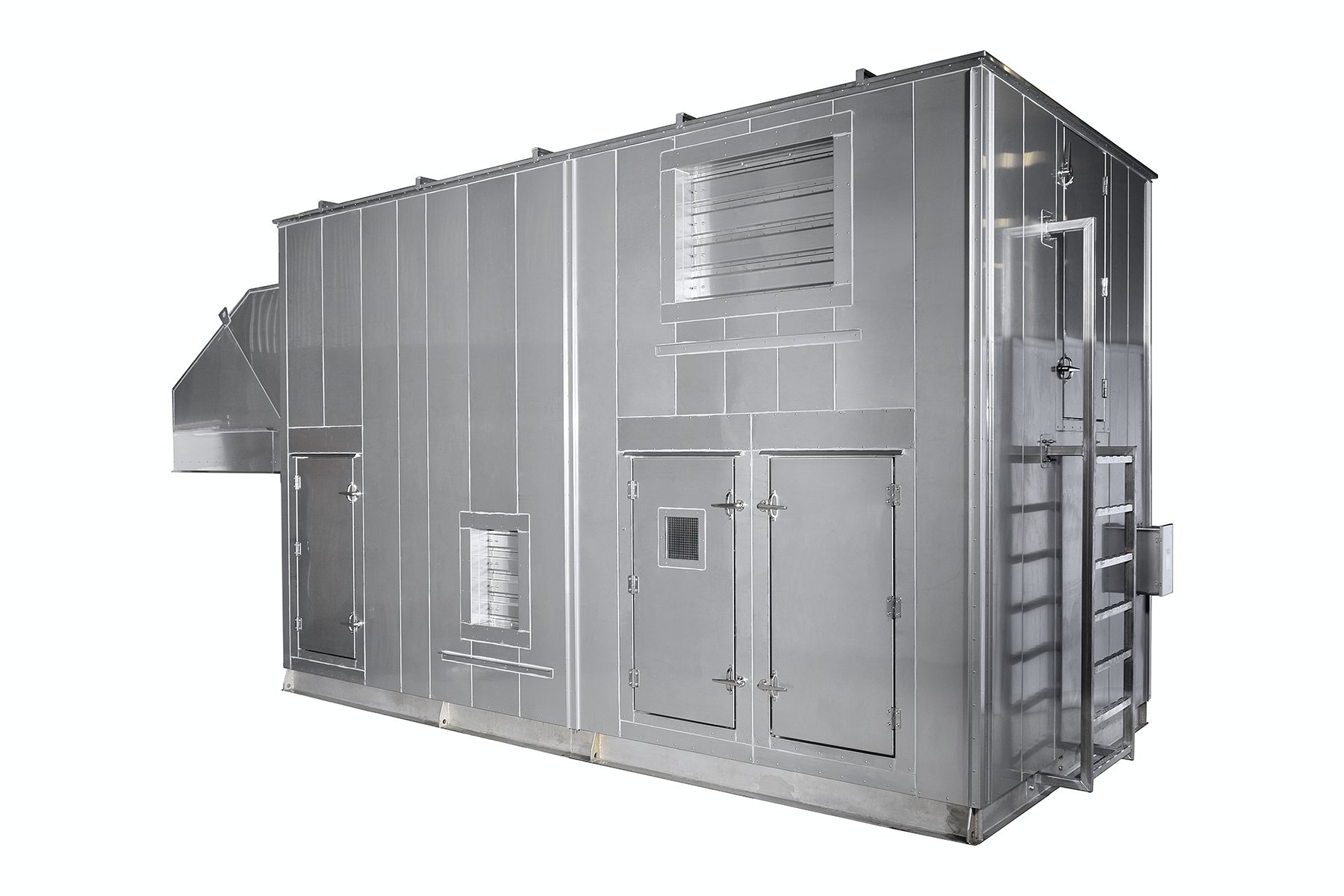
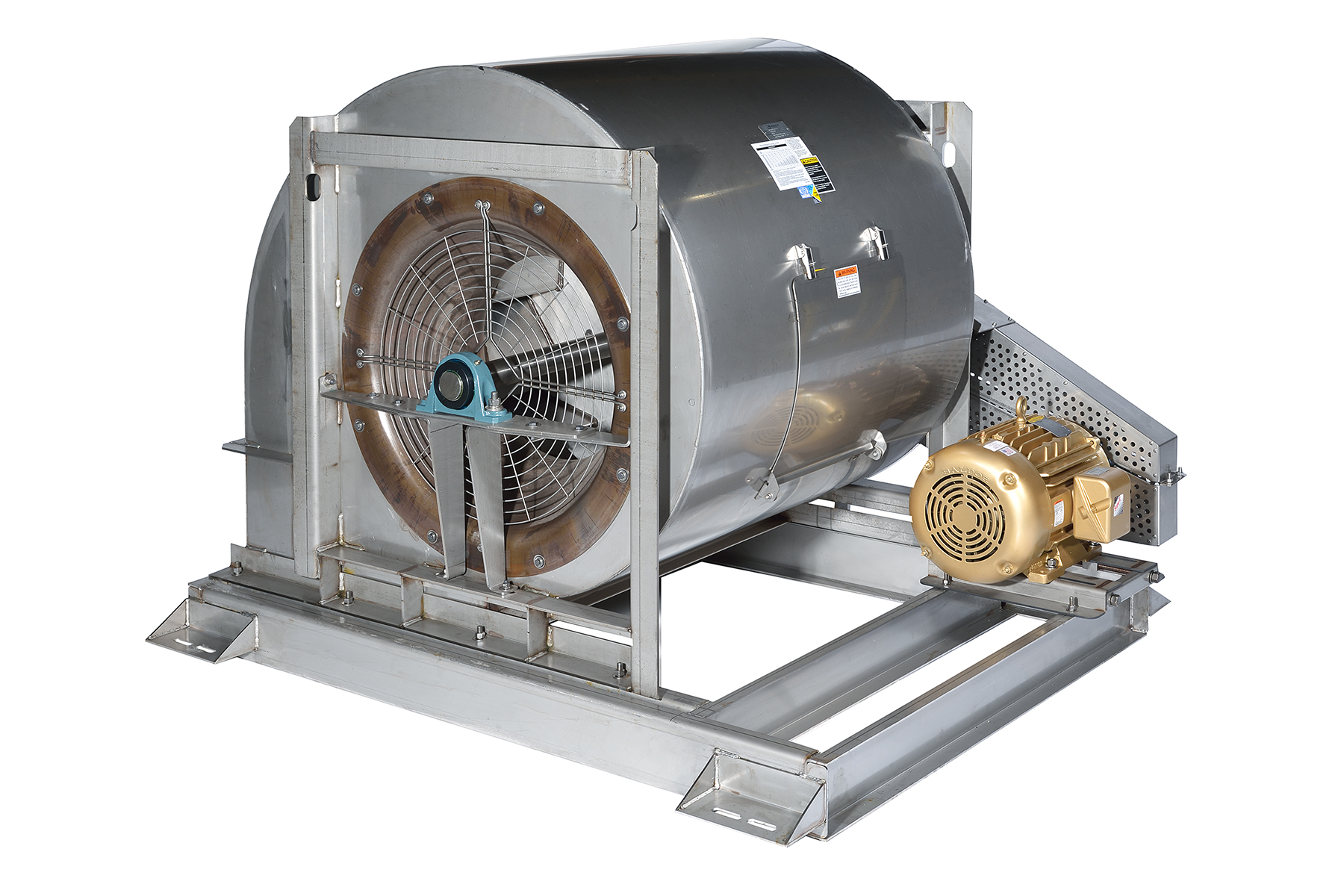
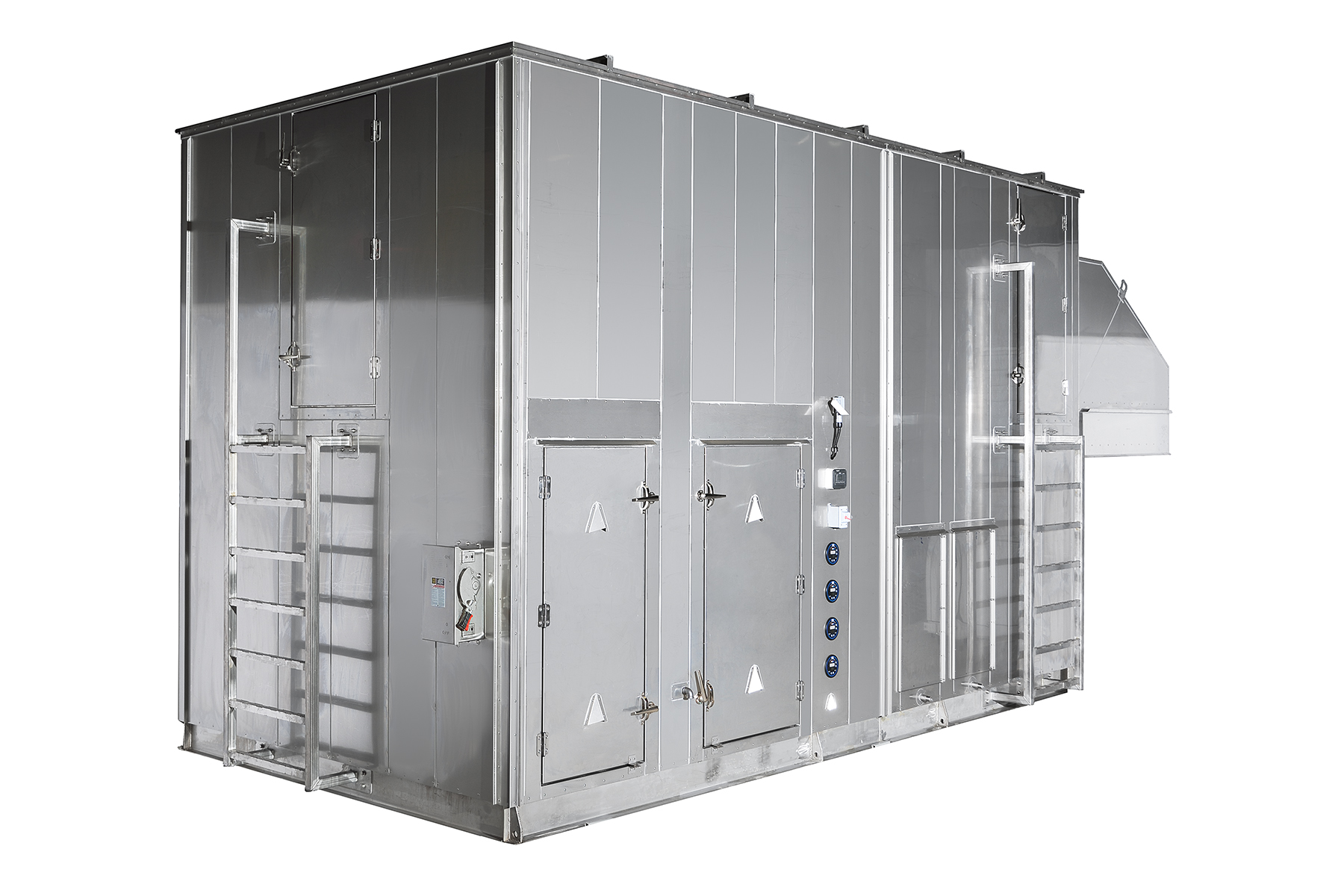
The 304/316 stainless steel construction of the units also incorporates features such as a riveted panel assembly system, a formed and welded stainless steel sheet metal frame, specialized coatings for the gas burners, and other key components to prevent corrosion and premature failures caused by this harsh environment. Every element, regardless of size, is critical to maintaining the integrity of the unit. From large fans down to nuts and bolts, each component plays a key role in the unit’s structural integrity, since the unit is only as strong as its weakest link. That is why Bousquet Applied paid special attention to the fans, motors, belt guards, spring mounts, sensors, wiring, dampers, actuators, gas manifolds, heat exchangers, hinges, handles, supports, window trims, access ladders, switches, nuts and bolts, and more.
One of the main points of comparison between a potash environment and a wastewater environment is hydrogen sulfide gas, which is relatively well tolerated by aluminum surfaces. This makes it possible to use epoxy-coated aluminum plate heat exchangers, maximizing energy recovery without concern for premature corrosion.
The selected aluminum heat exchanger provides 65.7% sensible energy recovery efficiency and 78.8% latent energy recovery efficiency. This relatively high efficiency will significantly reduce natural gas heating demand, since these units will operate continuously.
Annual natural gas savings are estimated at 17,733 m3 (638,000 ft3) per unit.
This is equivalent to a reduction of 3,898 tons of CO2 emissions per year for the facility!